Institutions
The institutions of French Polynesia, created and amended by the various autonomy statutes since 1984, are:
The President of French Polynesia: He is elected by the Assembly of French Polynesia from among its members. He represents the territory, signs international agreements, appoints ministers, determines their roles and responsibilities, and publishes the acts of the various Polynesian institutions in the Official Journal of French Polynesia. The President also directs the administration, promulgates the territory’s laws, can issue regulatory acts, and holds appointment powers. He may also enter into agreements with municipalities and with the State.
The Government of French Polynesia: The President of French Polynesia selects the ministers who make up the government. The Vice President, in addition to their ministerial portfolio, is responsible for acting as interim President of French Polynesia when the President is absent or unable to serve. The Vice President presides over the Council of Ministers in the President’s absence. The Council of Ministers has, among other prerogatives, the authority to adopt legal regulations within its areas of competence, to make appointments (heads of departments, directors of public institutions, representatives of French Polynesia on boards of semi-public companies), and may be consulted by the State on draft decrees.
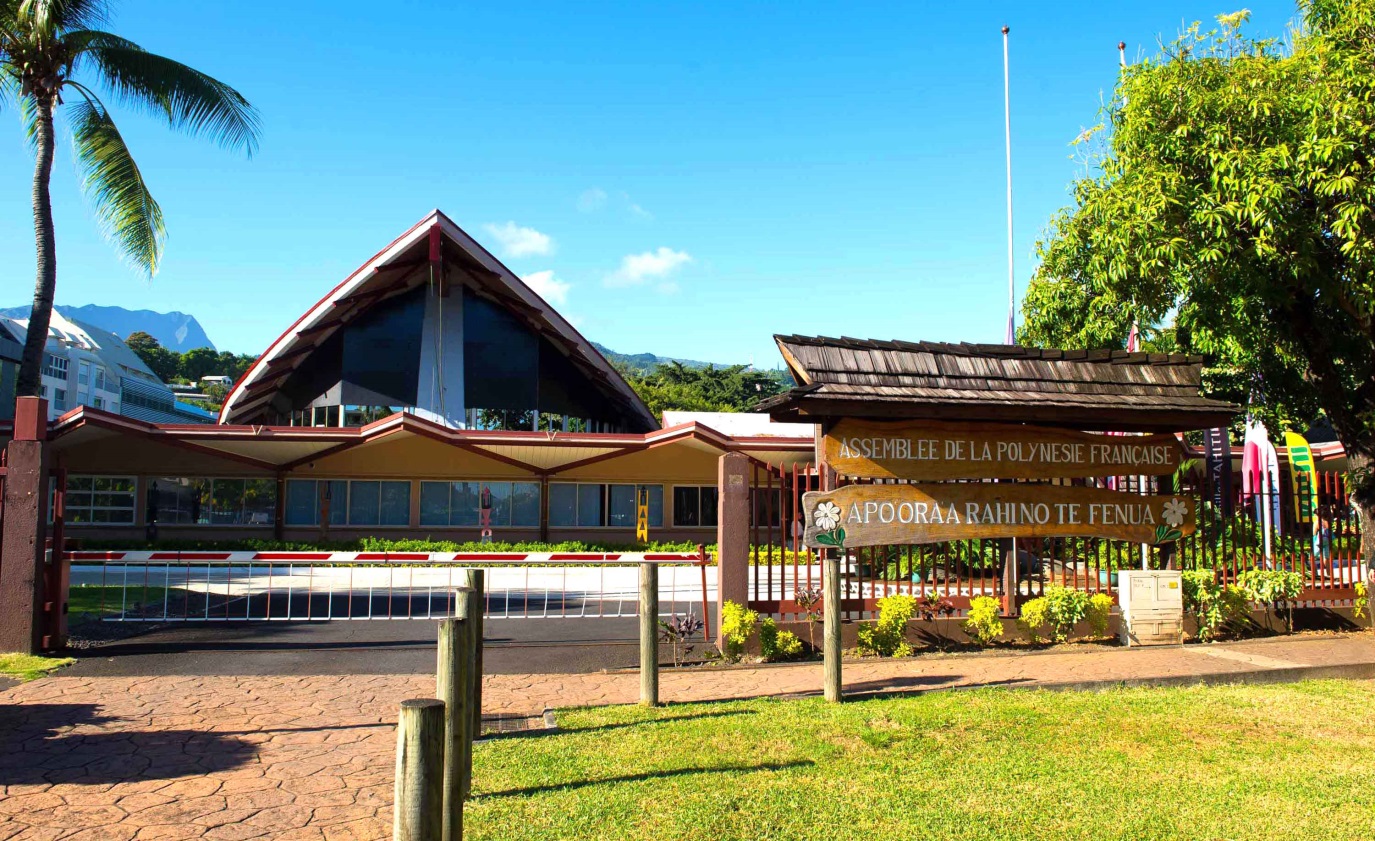
It is composed of 57 members elected for five years by direct universal suffrage, representing the five archipelagos of French Polynesia (Windward Islands, Leeward Islands, the Austral Islands, the Tuamotu-Gambier Islands and the Marquesas Islands). It adopts deliberations as well as "lois du pays" (country laws), which may be subject to review by the Council of State in Paris. The 57 members of the Assembly of French Polynesia elect the President of the institution and vote on the budget of French Polynesia each year.
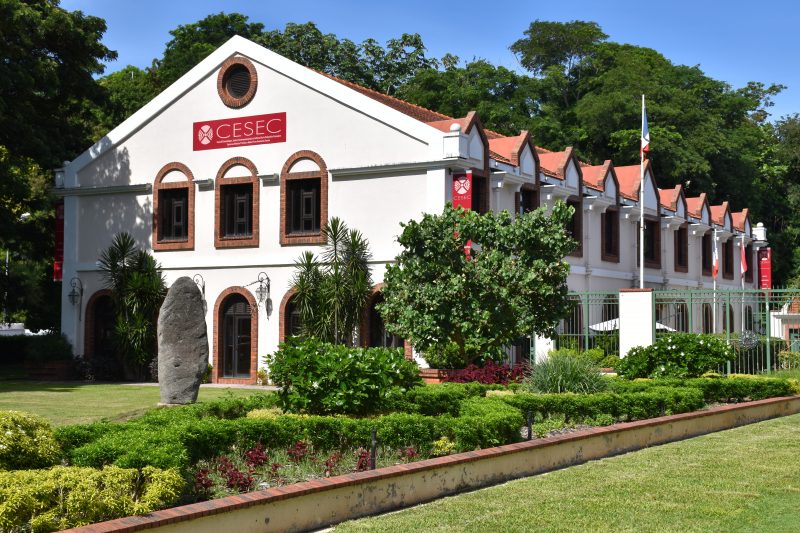
It provides opinions, in particular on projects of an economic and social nature and on "lois du pays" (country laws) submitted by the Government or by the Assembly of French Polynesia. The Economic, Social, Environmental and Cultural Council is composed of 48 members, appointed for a four-year term. They are divided into four colleges (employees, employers, the non-profit sector and development). Consultation of the CESEC is mandatory for country laws of an economic and social nature. The CESEC may also decide to examine a given issue on its own initiative if two-thirds of its members vote in favour.
Alongside the Polynesian institutions, the High Commissioner of the Republic represents the State in French Polynesia. He holds the powers of the French Republic and is responsible, in particular, for ensuring compliance with laws and international commitments, public order and administrative oversight.